
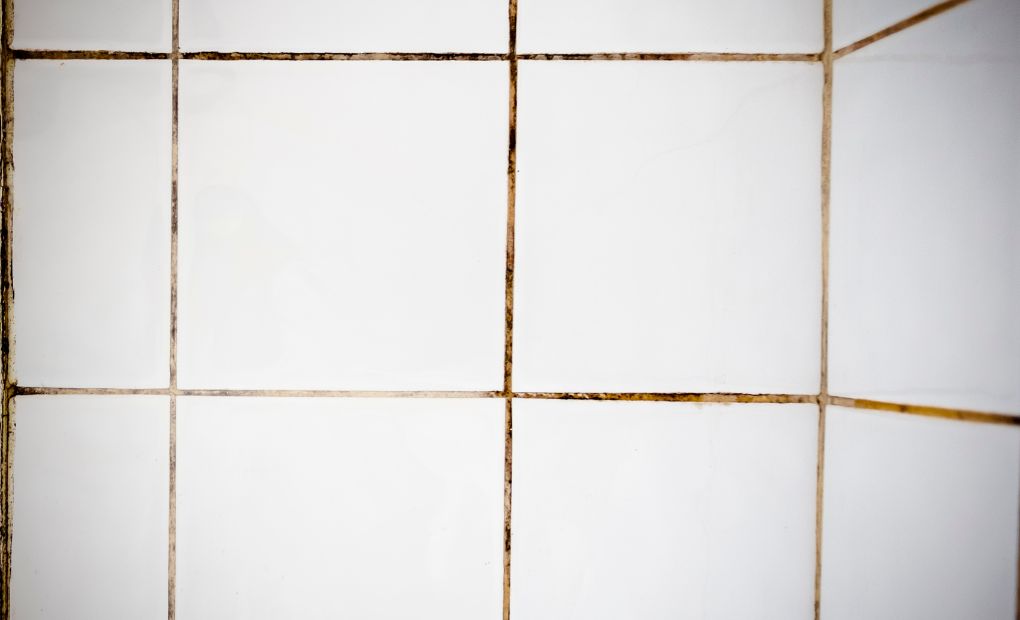
If your tile floors or shower walls are starting to look tired, you might wonder: can you regrout over old grout? It’s a common question homeowners ask when grout lines start to crack, discolor, or collect dirt. Regrouting can instantly refresh the look of any tiled area, but is it as simple as applying a new layer over the old one?
The short answer: sometimes, but not always. While it’s technically possible to apply new grout over existing grout, it’s rarely the best long-term solution. Proper surface preparation and grout removal are key to lasting results.
What Happens When You Grout Over Existing Grout
Regrouting over old grout means applying a thin layer of new material on top of what’s already there. On the surface, it seems like a time-saving shortcut. It can hide small imperfections, fill shallow cracks, and make tiles appear cleaner and brighter at least temporarily.
However, grout is meant to bond directly to the edges of tiles, not to old, hardened material. When you grout over existing grout, the new layer doesn’t always adhere well. Over time, it can flake, chip, or crack as the base layer shifts or breaks down underneath.
If the original grout is sealed or coated with cleaning residue, the new layer may not stick at all. Within a few months, you might find yourself right back where you started, dealing with discolored or damaged grout lines again.
When Regrouting Over Old Grout Might Work
There are a few limited situations where applying new grout over old grout can be acceptable, particularly as a temporary or aesthetic fix:
- The old grout is still solid. If it’s just slightly discolored or has surface-level damage, regrouting on top can restore a cleaner look.
- The tiles are firmly in place. Loose or hollow-sounding tiles indicate deeper issues that new grout won’t fix.
- You’re using the right material. Epoxy or polymer-modified grouts can sometimes bond better to existing grout surfaces than traditional cement-based ones.
- The area isn’t exposed to heavy moisture. Kitchen backsplashes, hallway floors, or decorative wall tiles can sometimes handle surface regrouting, unlike shower floors or bathroom walls where water exposure is constant.
In these cases, applying a thin new layer can be a quick cosmetic upgrade. Just keep in mind that it won’t strengthen the underlying grout or prevent future damage.
READ: How Much Should It Cost to Clean Grout
When You Shouldn’t Regrout Over Old Grout
Most of the time, homeowners are better off removing the old grout before reapplying a new mix. You should avoid grouting over existing material if you notice any of the following:
- Deep cracks or missing grout lines. These gaps allow moisture to penetrate beneath the tiles.
- Loose tiles. Movement under the surface will cause new grout to crack quickly.
- Mold or mildew. Covering it only hides the issue. It will return and may even spread.
- Crumbling grout. This indicates the base is too weak for new grout to adhere properly.
- Water damage. Especially in showers or bathroom floors, water trapped beneath can cause tiles to lift or grout to deteriorate faster.
In these situations, “grouting over” is like painting over rust. It might look better for a little while, but it doesn’t solve the underlying problem. Over time, moisture can seep in, leading to costly tile replacement or structural repairs.
READ: What Happens If You Don’t Reseal Grout
How Professionals Properly Regrout a Surface
If you want long-lasting results, the right approach is full or partial grout removal before applying new material. Here’s what floor cleaners Jacksonville like Florida Floor Washers typically do:
- Inspection: They start by assessing the tile surface, identifying problem areas like cracks, mold, or loose tiles.
- Grout removal: Using precision tools, at least ⅛ inch of old grout is carefully removed to create space for new material.
- Surface cleaning: Dust and residue are vacuumed away, ensuring a clean, debris-free surface.
- New grout application: Fresh grout is applied evenly between tiles and shaped for uniform lines.
- Drying and sealing: Once cured, a high-quality sealer is applied to protect against stains and moisture.
This process doesn’t just refresh the look of your floors or walls—. It restores structural integrity and protects your tiles from damage. Professionals also use dust-controlled rotary tools and industrial-grade cleaning systems, which make the process safer, faster, and more precise than DIY methods.
Maintenance Tips to Extend Grout Life
After regrouting, consistent maintenance is essential to keep your tiles looking their best. Here are some simple steps:
- Use a pH-neutral cleaner for regular cleaning to avoid weakening grout lines.
- Seal your grout annually. A quality sealer helps repel water, oil, and dirt.
- Avoid bleach or harsh chemicals, which can erode grout and dull tile finishes.
- Dry wet areas regularly, especially bathrooms, to prevent mold buildup.
These simple habits can extend the lifespan of your grout and delay the need for future repairs.
READ: What Should You Not Clean Grout With
Why Hire a Professional Instead of DIY
DIY regrouting might seem like an easy weekend project, but it often leads to uneven lines, poor bonding, or trapped moisture if not done correctly. Professionals, on the other hand, bring both expertise and the right equipment.
Here’s why hiring a company like Florida Floor Washers can make all the difference:
- Efficiency: Experienced technicians remove old grout quickly and safely without damaging tiles.
- Durability: They use high-performance materials and sealers that resist stains and cracking.
- Aesthetics: The finished surface looks smooth, clean, and consistent in color.
- Longevity: Professional regrouting can last a decade or more with proper maintenance.
Investing in professional regrouting isn’t just about appearance, it’s about protecting your flooring investment and saving money on future repairs.
Conclusion
So, can you regrout over old grout? Technically, yes, but it’s usually only a short-term solution. If your grout is crumbling, cracked, or discolored, simply layering more material on top won’t fix the real issue. For lasting results, the old grout should be properly removed, cleaned, and replaced by professionals who know how to do it right.
Whether your tile surfaces need a simple refresh or a full regrouting service, Florida Floor Washers can help restore their beauty and durability.
Contact us today to schedule a consultation and bring your floors and your grout back to life.
Frequently Asked Questions
1. Can I grout over old grout in my shower?
Not recommended. Showers are high-moisture areas, and layering new grout over old can trap water, leading to mold and cracking.
2. How thick can you apply new grout over old?
Only a very thin layer (about 1/16 inch), and only if the existing grout is solid and clean. Anything thicker requires grout removal.
3. What type of grout is best for regrouting?
Epoxy grout offers better adhesion and stain resistance than cement-based grout but must be applied carefully by professionals.
4. How long does professional regrouting last?
With proper maintenance and sealing, professional regrouting can last 10–15 years.
5. Do I need to seal new grout afterward?
Yes. Sealing protects against stains, moisture, and premature deterioration, especially in kitchens and bathrooms.