
If you’ve ever looked at your home’s air vents and wondered what’s hiding inside, you’re not alone. Many homeowners ask the same question: is duct cleaning a waste of money, or does it actually make a difference in your indoor air quality and comfort?
With so many companies advertising deep-cleaning specials and “air-purifying” packages, it can be hard to tell what’s truly necessary and what’s just marketing.
The truth lies somewhere in the middle. Duct cleaning isn’t a scam, but it’s also not a magic fix for every dust or allergy issue. Let’s break down what duct cleaning really does, when it helps, and how to avoid wasting money on unnecessary services.
What Duct Cleaning Actually Involves
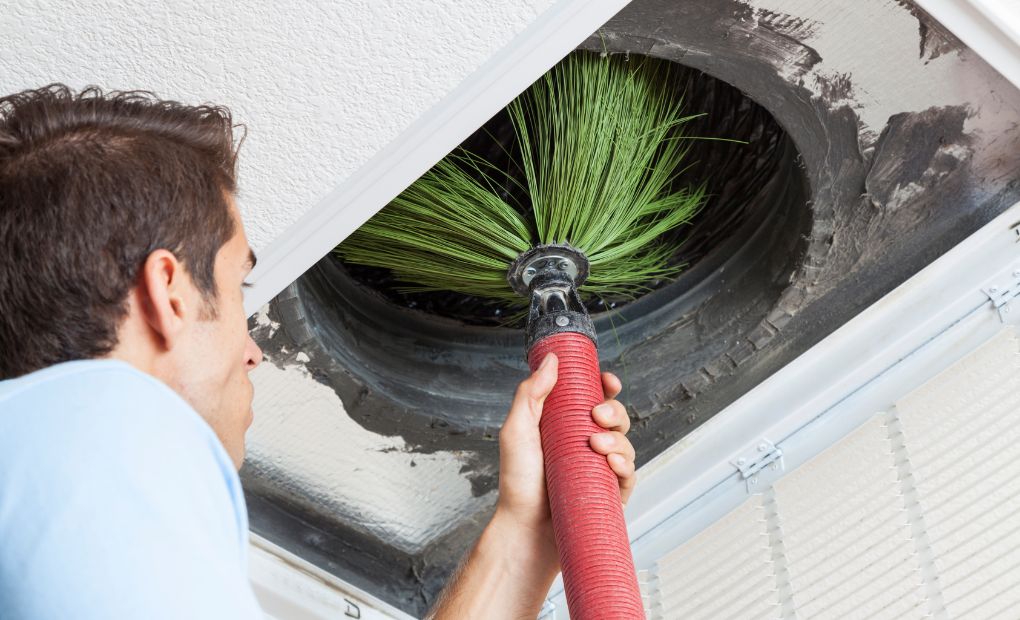
Duct cleaning is the process of removing dust, debris, and contaminants from your home’s heating and cooling system. Professional technicians use specialized vacuums, brushes, and blowers to clean supply and return ducts, registers, grilles, and other components.
A full cleaning usually includes:
- Air ducts and vents
- Cooling coils and drain pans
- Fan motors and housing
- Air handling units
It’s not a quick “wipe-and-vacuum” service, it can take several hours depending on your home’s size and duct layout. Most HVAC professionals recommend duct cleaning every three to five years, or sooner if specific issues arise. The goal is to keep air flowing freely and prevent buildup that can strain your system.
Common Reasons People Schedule Duct Cleaning
Homeowners usually schedule duct cleaning for a few main reasons:
- To improve indoor air quality. Over time, ducts collect dust, pollen, pet dander, and other allergens. When your system runs, those particles can circulate through your home.
- To reduce allergy or asthma symptoms. Families with sensitive respiratory systems often feel relief when the air ducts are clean and clear.
- After renovations or construction. Drywall dust, sawdust, and debris can easily find their way into your HVAC system.
- To increase energy efficiency. A clean system doesn’t have to work as hard to push air through dirty ducts, which can save on energy costs.
- To remove odors or pests. Rodents or insects sometimes leave behind droppings or nests inside ducts, creating unpleasant smells.
Each of these reasons makes sense, but duct cleaning isn’t always the cure-all that some advertisements promise.
The Skeptic’s View: Why Some Say It’s a Waste of Money
Critics argue that duct cleaning doesn’t always deliver noticeable results, especially in homes that are already well-maintained. Some homeowners spend hundreds of dollars only to find no improvement in air quality or system performance.
Here’s where the science matters.
According to the U.S. Environmental Protection Agency (EPA), there’s currently no evidence that routine duct cleaning prevents health problems or significantly improves air quality unless there’s visible mold, a vermin infestation, or excessive dust and debris inside ducts.
This doesn’t mean duct cleaning is useless; it simply means it’s not a one-size-fits-all solution. If your ducts are sealed properly, your HVAC filters are changed regularly, and there’s no visible buildup, you might not notice much of a difference after cleaning.
Unfortunately, some companies take advantage of this gray area. They use scare tactics, showing photos of dirty ducts that aren’t even yours, or offer low “$99 specials” that only include surface cleaning. That’s where the “waste of money” perception comes from.
When Duct Cleaning Is Worth the Money
There are plenty of scenarios where duct cleaning truly pays off. Here’s when it makes sense:
1. After Major Home Renovations
If you’ve remodeled your kitchen, finished your basement, or had drywall work done, fine dust and debris have likely entered your vents. Cleaning after construction prevents that residue from blowing around your home for months.
2. When There’s Visible Mold or Mildew
If you see mold on vent covers or smell a musty odor coming from the ducts, professional cleaning is essential. Mold spores can spread quickly through the system, and cleaning helps stop the source.
3. Following a Pest Infestation
Rodents or insects sometimes nest in ductwork, leaving droppings, hair, or food debris. In these cases, duct cleaning isn’t just about comfort; it’s about hygiene.
4. If You Notice Excess Dust or Poor Airflow
When vents release puffs of dust each time the HVAC turns on, or some rooms feel stuffier than others, that’s a sign of buildup inside the system.
5. For Families with Allergies or Asthma
Even if the EPA’s general statement applies, many families with sensitivities report relief after cleaning. Removing dust and allergens helps create a fresher, more breathable indoor environment.
6. After Flooding or Water Damage
Moisture can create ideal conditions for mold. If your ducts were exposed to water, cleaning and drying them immediately can prevent costly repairs later.
When done properly, duct cleaning improves airflow, extends HVAC lifespan, and helps your home smell fresher. It’s an investment, not a gimmick, when used in the right situations.
How to Avoid Wasting Money on Duct Cleaning
If you decide to hire a duct cleaning service, follow these tips to make sure your money goes toward results, not empty promises:
- Choose a certified company. Look for technicians certified by the National Air Duct Cleaners Association (NADCA). They follow established cleaning standards and ethics codes.
- Ask for before-and-after photos. A reputable company will show you what your ducts looked like before and after service.
- Avoid “too good to be true” deals. Extremely low prices often mean incomplete cleaning or aggressive upselling once they arrive.
- Request a full inspection first. Professionals should assess the ducts and explain whether cleaning is necessary.
- Get a written estimate. This should include the scope of work, total cost, and equipment used.
At the end of the day, good duct cleaning isn’t about how fast the job gets done — it’s about thoroughness and transparency. A reliable company will tell you honestly if cleaning isn’t needed yet.
Alternatives and Preventive Maintenance
Even if your ducts don’t need cleaning right now, there are simple steps to keep them in good condition year-round:
- Replace HVAC filters regularly, typically every 1–3 months, depending on usage.
- Keep vents and registers clean with a vacuum and damp cloth.
- Schedule annual HVAC tune-ups to catch problems before they start.
- Control indoor humidity to prevent mold and mildew growth.
- Seal duct leaks to prevent dust infiltration and improve efficiency.
Regular maintenance can help you go years without needing a full duct cleaning and that’s a good thing for your wallet and your system.
Conclusion
So, is duct cleaning a waste of money?
Not at all. When it’s done for the right reasons. While it’s not necessary for every home, it’s absolutely worth it if your ducts are contaminated, filled with dust, or causing poor airflow. The key is to hire trusted professionals who focus on quality service, not gimmicks.
Your home’s air should feel clean, fresh, and safe. And when done right, duct cleaning can make that difference.