
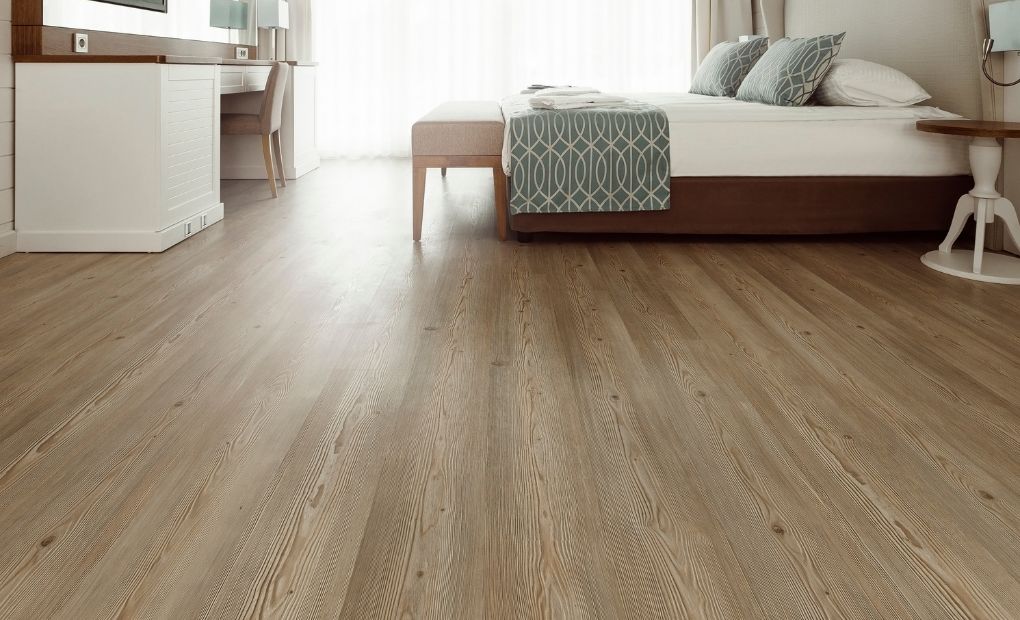
Learning how to buff hardwood floors is one of the best ways to bring back that glossy, like-new look to your home without the cost and effort of refinishing.
Over time, hardwood floors lose their shine because of daily foot traffic, furniture movement, and dirt buildup. Buffing restores the top layer of your floor’s finish, removing scuffs and dullness while protecting the wood underneath.
According to NWFA, properly maintained hardwood floors can last well over 100 years when cared for through regular cleaning and maintenance (including buffing when needed. That’s why knowing when and how to buff your floors can make all the difference in keeping them beautiful for decades.
What Does “Buffing” Mean for Hardwood Floors?
Buffing is a light resurfacing process that smooths and polishes the existing finish on hardwood floors. Unlike refinishing, which involves sanding down to bare wood and applying a new stain or coating, buffing only targets the upper layer of finish.
This method gently removes minor scratches and surface imperfections while restoring gloss and smoothness. It’s ideal for floors that look dull or slightly worn but are otherwise in good condition.
If your floor’s finish is intact and there’s no deep damage, buffing is a fast, affordable way to rejuvenate it.
READ: Should You Use Enzymatic Cleaner for Cat Urine on Wood Floors
Signs Your Hardwood Floor Needs Buffing
It can be hard to tell when your hardwood floors are ready for buffing instead of refinishing. Watch for these signs:
- A dull or uneven shine, even after mopping or polishing
- Light scuffs and scratches that don’t go deep into the wood
- Slight discoloration in high-traffic zones like hallways or entryways
- A clean floor that still looks tired or worn
When these early signs appear, buffing can restore your floor’s natural glow and delay the need for more expensive refinishing.
Tools and Materials You’ll Need
Before you start buffing hardwood floors, gather the right equipment and materials:
Equipment:
- Floor buffer (rotary or orbital machine)
- Buffing pads (soft white or beige pads for gentle polishing)
- Vacuum and microfiber mop
Materials:
- Hardwood floor cleaner (pH-neutral and non-wax)
- Optional: light polish or floor rejuvenator
Jacksonville hardwood floor cleaners from Florida Floor Washers use commercial-grade buffers that rotate at consistent speeds. These machines are more powerful and efficient than most rental units available to homeowners, producing a smoother and longer-lasting finish.
Step-by-Step Guide: How to Buff Hardwood Floors
Follow these simple steps to safely and effectively buff your hardwood floors:
Step 1: Clear and Clean the Area
Remove all furniture, rugs, and decorations from the room. Sweep or vacuum thoroughly to eliminate dirt and grit, which could cause scratches during buffing. A completely clean surface ensures the buffer can glide evenly.
Step 2: Inspect the Floor
Before starting, check for deep scratches, gouges, or peeling finish. If you find major damage, refinishing may be necessary instead. Buffing only works on surfaces where the top layer is intact.
Step 3: Apply Hardwood Cleaner
Use a pH-neutral hardwood floor cleaner to remove any remaining residue. Avoid using soap-based or wax cleaners. They can make the buffer pads clog and cause uneven results.
Step 4: Attach the Buffing Pad
Place the white or beige buffing pad onto the machine. These pads are soft enough for most hardwood finishes and help restore shine without damaging the coating.
Step 5: Buff in Overlapping Passes
Turn on the buffer and move it slowly over the floor in overlapping, circular motions. Always keep the machine in motion to avoid swirl marks. Work along the grain of the wood for a smoother finish.
Step 6: Wipe and Polish
Once you’ve buffed the entire surface, vacuum or wipe up the fine dust left behind. If desired, apply a thin coat of hardwood polish or rejuvenator with a microfiber mop to enhance shine.
Step 7: Allow to Dry
Let the floor dry for 1–2 hours before walking on it, and longer if you applied polish. Make sure windows are open or fans are on to improve airflow.
Pro tip: Professionals often use a two-stage buffing process. A first pass with a dry pad to remove scuffs, and a second pass with a light polishing compound for a mirror-like finish.
Common Mistakes to Avoid
Even small mistakes during buffing can lead to uneven finishes or dull spots. Here are common pitfalls to watch for:
- Using the wrong pad type — too coarse can scratch the finish
- Over-applying polish or wax, which leads to buildup
- Buffing dirty floors and grinding debris into the finish
- Holding the buffer still for too long, leaving swirl marks
- Skipping the inspection step and trying to buff damaged floors
If you’re unsure about the right approach or pad type, hiring professionals like Florida Floor Washers ensures the job gets done safely and correctly the first time.
Professional Buffing vs. DIY: Which Is Better?
Buffing hardwood floors can be a satisfying DIY project, but it’s not always the best choice for every situation.
DIY Buffing
Ideal for small areas or light maintenance. You can rent a buffer from most hardware stores and handle the job over a weekend. However, rental machines often have inconsistent speeds and worn-out pads, which can lead to uneven results if not used carefully.
Professional Buffing
Recommended for large spaces, older floors, or high-traffic commercial properties. Professional cleaners use industrial-grade equipment, apply even pressure, and understand different wood finishes. They can also combine buffing with protective treatments that make your floors more resistant to wear and moisture.
Maintenance Tips After Buffing a Hardwood Floor
To keep your hardwood floors looking great for years after buffing, follow these maintenance tips:
- Place mats at entryways to reduce dirt and grit
- Sweep or vacuum regularly with a soft-bristle attachment
- Wipe up spills immediately to prevent water damage
- Avoid abrasive cleaners or harsh chemicals
- Rebuff every 3–5 years, depending on household traffic
These habits not only preserve shine but also help you maintain the long-term durability of your floors.
Conclusion
Buffing hardwood floors is one of the easiest, most cost-effective ways to restore beauty and protect your investment. By following the right steps, you can bring back the warmth and shine that make your home inviting.
Whether you choose to DIY or let the experts handle it, remember: regular care keeps your hardwood floors looking timeless.
For homeowners in Jacksonville, Florida, Florida Floor Washers offers hardwood floor buffing services designed to bring out your floor’s natural beauty and extend its life for years to come.
Contact us today to schedule your floor restoration service and see the difference a professional buff can make.