
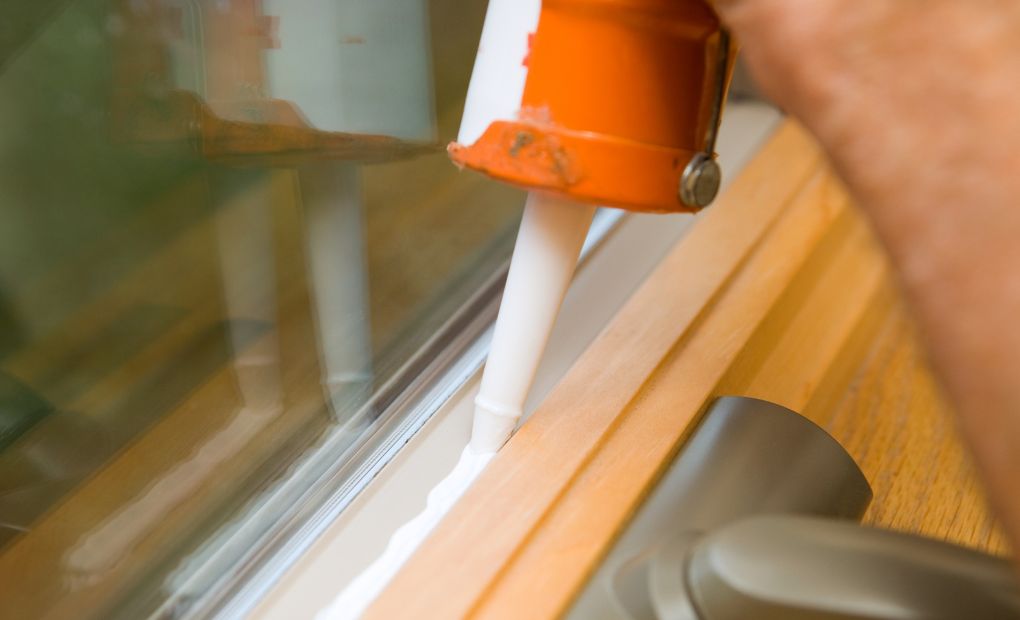
When you start noticing gaps or cracks around your tub, tiles, or baseboards, the question often arises: can you caulk over caulk? It’s a common dilemma for homeowners and property managers looking for a quick fix without removing the old sealant. The short answer is sometimes, yes. But whether you should depends on the condition and type of the existing caulk.
Caulk plays an important role in protecting your floors and walls from water damage, mold, and mildew. A solid seal keeps moisture from seeping into surfaces where it can cause long-term structural issues or unpleasant odors. However, adding new caulk over old isn’t always the best option.
In this guide, we’ll explore when it works, when it doesn’t, and how to do it correctly for a long-lasting, professional finish.
What Is Caulk and Why It Matters
Caulk is a flexible sealing material used to fill gaps, cracks, and joints between materials like tile, wood, glass, or concrete. It prevents water, air, and dirt from entering those spaces, essentially acting as your home’s invisible waterproof barrier. The most common types include silicone, acrylic latex, and polyurethane.
In humid climates like Florida, proper caulking is especially important. High moisture levels can quickly cause mold growth and weaken the bond between flooring and walls. That’s why maintaining clean, durable caulk isn’t just about looks; it’s about protecting your home’s foundation and indoor air quality.
Can You Actually Caulk Over Old Caulk?
The straightforward answer: yes, you can caulk over caulk, but only under the right conditions.
If the existing caulk is still firmly adhered, clean, and mold-free, applying a new layer on top can refresh the seal and improve its appearance. This method works best when the old bead is thin and even, leaving enough room for the new caulk to bond securely.
However, not all caulks are compatible. For example, silicone caulk adheres well only to other silicone-based caulks, while latex-based caulk might peel off when applied over silicone. Always check the product label to ensure compatibility before layering.
Proper sealing does more than improve your bathroom or kitchen’s appearance. It can also help your home perform better.
According to the U.S. Department of Energy, sealing leaks and gaps in your home can improve energy efficiency by up to 20%. That means well-maintained caulking not only keeps water out but can also reduce wasted energy by preventing air leaks around flooring and baseboards.
When You Should NOT Caulk Over Caulk
While caulking over old material can be a quick solution, it’s not always the right one. Here are key signs that you should remove the old caulk completely before reapplying:
- Mold or mildew is visible on or under the old caulk. Trapping mold beneath a new layer only allows it to keep spreading.
- Cracked, dry, or peeling caulk. The new caulk won’t adhere properly to a damaged base.
- Soft, sticky, or uneven surfaces. Indicates moisture trapped beneath the seal.
- Visible gaps behind the caulk line. Suggests water has already penetrated, which may lead to deeper damage.
In humid regions like Jacksonville, mold and mildew thrive quickly, especially in bathrooms and kitchens. Adding new caulk on top of compromised sealant only conceals the problem temporarily.
If you notice discoloration or persistent mildew, it’s best to remove the old layer entirely, clean the area, and start fresh.
For extensive mold or water damage around floors or tiles, calling floor cleaners in Jacksonville like Florida Floor Washers can make a major difference. Their cleaning and sealing expertise ensures the surface is properly sanitized before new caulk is applied.
How to Properly Caulk Over Existing Caulk
If your old caulk is still in good condition and you’ve confirmed it’s the same material type, follow these steps for a smooth reapplication:
Inspect the old caulk
Look closely to ensure it’s intact, firmly bonded, and free of gaps or mold. If any sections are loose or cracked, scrape them away before starting.
Clean thoroughly
Use a mild cleaner or rubbing alcohol to remove soap scum, oils, and debris. This ensures proper adhesion.
Dry the area completely
Moisture is the number one reason new caulk fails to stick. Allow the area to air-dry or use a towel before proceeding.
Cut the nozzle tip at a 45° angle
This allows better control and a smoother application line.
Apply new caulk directly over the old bead
Gently press the caulk gun trigger and move slowly, slightly overlapping the old line.
Smooth it out
Use a caulking tool or a damp finger to smooth the bead evenly. This creates a professional finish and prevents air pockets.
Allow it to cure
Most caulks require 24 – 48 hours to fully cure. Avoid contact with water or cleaning solutions during this time.
Pro tip: Silicone caulk is mold- and mildew-resistant, making it ideal for high-humidity areas like bathrooms or kitchens in Florida.
Best Practices to Keep Caulk Lasting Longer
Reapplying caulk is just one part of the process. Keeping it in good shape matters even more. Here’s how to make your caulking last longer:
- Keep the surface clean and dry: Wipe away moisture after showers or spills to prevent mildew growth.
- Avoid harsh chemicals: Use mild cleaners to prevent breakdown of sealants.
- Inspect regularly: Check caulk lines once or twice a year for signs of cracking or discoloration.
- Schedule professional maintenance: Periodic tile and grout cleaning from professionals like Florida Floor Washers helps prevent buildup that weakens seals.
By maintaining your caulking, you’ll avoid bigger problems like water seepage or mold spreading behind walls and floors..
When to Call the Professional Floor Cleaners in Jacksonville
While small re-caulking jobs are manageable DIY projects, sometimes the damage runs deeper than it looks. Call a professional if you notice:
- Persistent mildew despite cleaning
- Cracked grout or loose tiles near caulk lines
- Water stains along walls or floor edges
- Peeling or discolored caulk that keeps returning
Experts like Florida Floor Washers use specialized tools to remove old caulk without damaging surfaces. We also apply high-quality, mold-resistant sealants and ensure proper drying and bonding. A professional touch not only looks cleaner but also lasts significantly longer.
We offer:
- Tile and Grout Cleaning
- Carpet Cleaning
- Hardwood Floor Cleaning
- Concrete Floor Cleaning
- Floor Stripping and Waxing
- Floor Polishing
If your caulking problem keeps coming back, it’s often a sign of trapped moisture. Our Jacksonville floor cleaners make sure surfaces are completely clean and dry before resealing.
Conclusion
So, can you caulk over caulk? The answer is yes, but only if the old seal is clean, intact, and made from the same material.
When done right, layering fresh caulk can restore your bathroom or kitchen’s appearance and strengthen its waterproof barrier. But when mold, cracks, or peeling appear, it’s best to start fresh or call in professionals.
Proper caulking protects your home from hidden water damage, mold, and energy loss. And in a humid environment like Florida, that protection matters even more.
Florida Floor Washers helps homeowners across Jacksonville restore their floors, tiles, and grout with expert cleaning and resealing. Whether you’re dealing with worn-out caulk or need a full deep clean, their team ensures your surfaces stay sealed, safe, and spotless.