
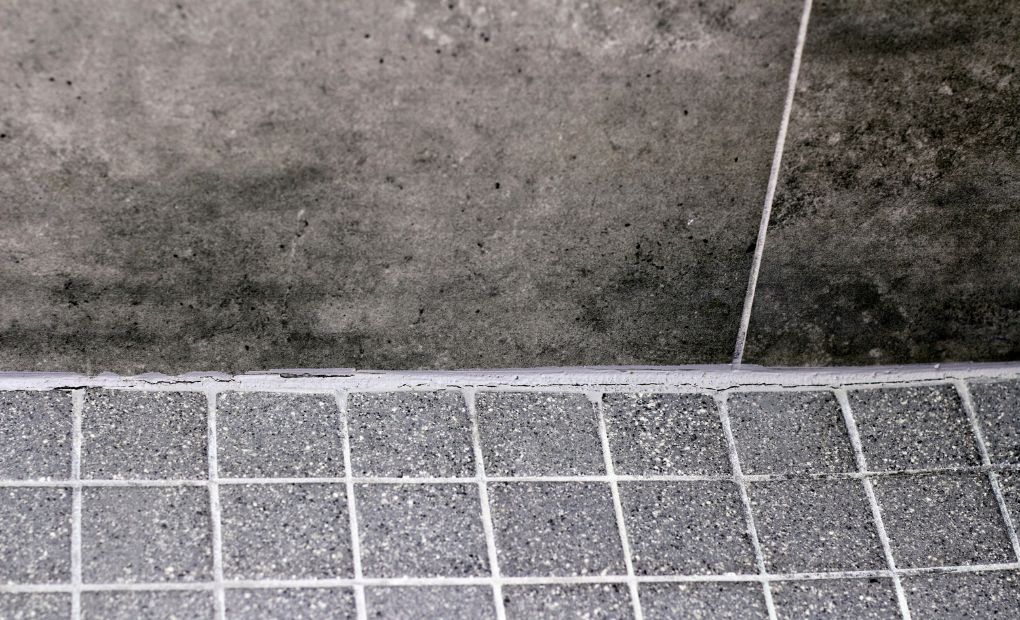
When your tile floors start to look dull, dirty, or cracked, you might wonder: can you grout over grout?
It’s a common question among homeowners hoping for a quick refresh without removing all the old material. The idea seems simple. Just add a fresh layer of grout on top, and your tiles will look brand new. But is it really that easy?
The truth is, you can grout over existing grout, but only in certain situations and with the right preparation. Doing it incorrectly can cause the new grout to crack, crumble, or separate within months.
Why? Because premium epoxy grout typically absorbs under 0.5% water, while standard cement grouts can take in around 5–7%. This is a big difference that affects staining and durability over time.
Understanding What Grout Really Does
Before jumping into regrouting, it helps to understand what grout actually does. Many people think it’s just for looks, but grout has a much more important role. It fills the spaces between tiles to prevent moisture from seeping beneath, keeps tiles in place, and adds a finished, polished appearance.
Grout also contributes to your floor’s durability. It absorbs small movements in the tiles caused by foot traffic, temperature changes, or foundation shifts. When grout becomes cracked, hollow, or worn, your tiles lose that layer of protection.
There are several types of grout each suited for different materials and conditions. This includes:
- Cement-based
- Epoxy
- Sanded
- Unsanded
Regardless of type, though, the success of new grout bonding over old grout depends heavily on the existing surface’s condition and cleanliness.
READ: Should I Clean Grout or Regrout Tiles
When You Can Grout Over Grout
In some cases, yes, you can grout over grout and it can even be a smart solution. If the old grout is still structurally sound and only shows mild discoloration or surface wear, overlaying new grout can restore appearance without full removal.
Here’s when grouting over existing grout makes sense:
- The old grout is solid and intact. It shouldn’t be flaking, crumbling, or missing chunks.
- The grout lines are deep enough. New grout needs enough depth (at least 1/16 inch) to adhere and cure properly.
- The area is clean and dry. Old grout must be scrubbed free of dirt, oils, and soap residue before applying new material.
- The tiles themselves are stable. Loose or hollow-sounding tiles indicate movement below the surface. New grout won’t fix that.
For example, if you just have cosmetic issues like discoloration, stains, or minor surface scratches, overlaying new grout can give your tiles a quick facelift.
Some professional-grade products, like bonding grout mixtures or grout renewal compounds, are formulated to adhere to old grout safely when applied under the right conditions.
At Florida Floor Washers, our floor cleaners Jacksonville assess tile density, grout hardness, and surface cleanliness before recommending any overlay work. If the structure checks out, applying a thin, even coat of fresh grout can effectively rejuvenate your floors.
READ: Do’s and Don’ts of Tile Grout Cleaning
When You Shouldn’t Grout Over Grout
Unfortunately, not every surface is a good candidate. There are several situations where adding new grout on top of old grout simply won’t hold.
Here’s when you should avoid grouting over existing material:
- The old grout is cracked or missing in spots. Gaps and fractures indicate deeper structural issues.
- Tiles sound hollow or feel loose. That’s a sign of adhesion failure beneath the tile surface.
- There’s water damage or mold. Covering these issues traps moisture and leads to faster deterioration.
- Grout lines are too shallow. Without depth, new grout won’t have enough space to bond securely.
If you grout over weak or damaged material, the new layer won’t properly anchor. Within a few months, it will begin to crack, discolor, or peel away, leaving you back at square one.
A quick DIY test: lightly scrape a small section of your existing grout with a metal tool. If it powders easily, it’s too weak for an overlay. In such cases, full grout removal is the safer long-term solution.
Our Jacksonville floor care experts often find that homeowners attempt to save time by applying new grout over bad material, only to face premature cracking and discoloration later. While regrouting over sound grout can work, overlaying over damaged grout usually means wasting effort and money.
READ: Is Professional Tile and Grout Cleaning Worth It
How Professionals Regrout the Right Way
Professional regrouting is much more than simply spreading new material between tiles. It’s a detailed process that involves assessment, preparation, and finishing—each step ensuring your floors look great and last longer.
Here’s how a reputable floor care team, like Florida Floor Washers, typically handles it:
- Inspection and Evaluation – The first step is to check for hollow tiles, moisture damage, and crumbling grout. Professionals determine whether overlaying or full removal is the right option.
- Surface Cleaning – Specialized tile-safe cleaning agents are used to remove grease, soap scum, and residue from old grout lines. This helps the new grout adhere better.
- Optional Surface Removal – In some cases, the top 1/8 inch of grout is removed using oscillating tools or grout saws. This creates more depth and ensures stronger bonding.
- Applying New Grout – The new mixture is carefully pressed into the joints and smoothed for uniformity.
- Curing and Sealing – Once dried, the grout is sealed with a high-quality, water-resistant sealant to prevent staining and moisture penetration.
Professional cleaning companies use commercial-grade sealers and dust-control equipment. This is to ensure not only a strong bond but also a cleaner workspace and minimal mess.
Additionally, eco-friendly cleaning solutions are becoming standard in professional regrouting services, protecting both your floors and indoor air quality. This meticulous approach ensures a smooth, long-lasting finish that DIY kits often can’t replicate.
Maintenance Tips After Regrouting
After your regrouting project is complete, keeping your floors in great shape comes down to regular care. Proper maintenance can add years to your grout’s life and help retain that like-new appearance.
Here’s how to maintain it effectively:
- Use pH-neutral cleaners to avoid breaking down sealants.
- Wipe spills immediately, especially acidic ones like wine or juice.
- Avoid steam mops or harsh scrubbing tools that can strip away sealers.
- Reseal grout every 1–2 years, depending on traffic and usage.
If you want your tiles to stay bright and clean longer, professional maintenance services are worth considering. Florida Floor Washers tile and grout cleaning and periodic sealing packages to help homeowners in Jacksonville protect their investment without the hassle.
READ: Can You Regrout Over Old Grout
Conclusion
So, can you grout over grout? Yes, but only if the existing grout is solid, clean, and deep enough to support new material. In many cases, a professional assessment is the best way to decide whether overlaying or full replacement makes more sense.
When done correctly, regrouting over existing grout can refresh your tiles, restore their shine, and extend your floor’s life. But if done carelessly, it can lead to quick deterioration and costly repairs.
If your tile floors in Jacksonville are starting to look tired or discolored, Florida Floor Washers can help. Our experienced technicians use professional tools and industry-approved methods to restore your grout the right way.
Contact us today to schedule your grout inspection or deep-cleaning service.